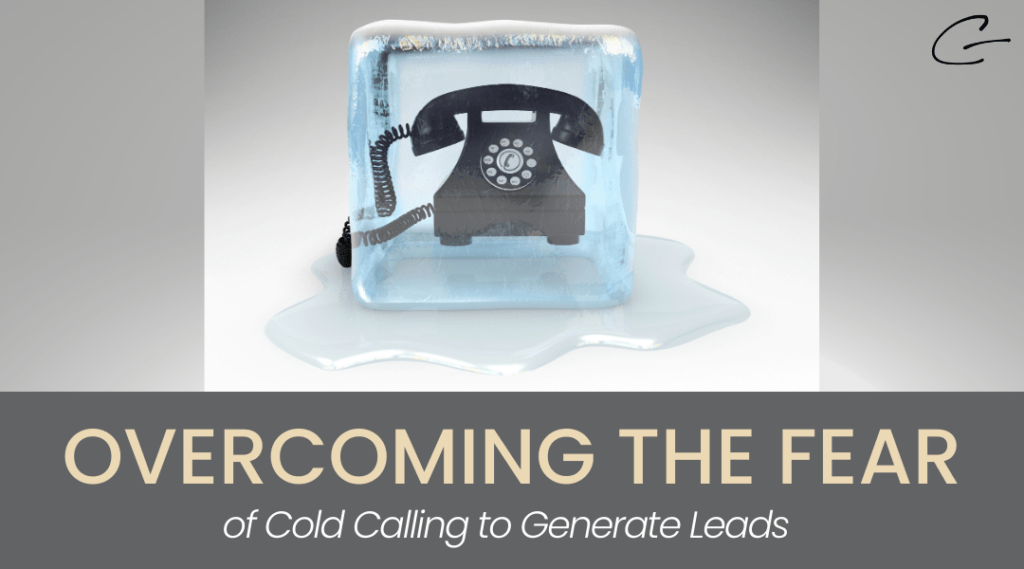
Cold calling scares the hell out of most people. The sweaty palms. The racing heart. The fear of hearing “no” from a stranger. But here’s the truth: overcoming the fear of cold calling is one of the most valuable skills any business owner or salesperson can develop. It’s not about being fearless — it’s about being disciplined enough to pick up the phone anyway.
In today’s world of business, cold calling remains one of the most powerful tools for generating leads and finding potential clients. The businesses that master it have a pipeline advantage that no amount of social media can replace.
Why Overcoming the Fear of Cold Calling Changes Everything
The fear of cold calling isn’t really about the call itself. It’s about rejection. It’s about exposing yourself to judgment. It’s about the voice in your head that says, “What if they say no? What if they hang up? What if I sound stupid?”
Here’s what I need you to understand: rejection is the entrance fee to success. Every “no” gets you closer to a “yes.” According to HubSpot research, it takes an average of 8 cold call attempts to reach a prospect, but 44% of salespeople give up after just one follow-up. That gap is your opportunity.
Step 1: Understand the True Objective of a Cold Call
The first step to overcoming the fear of cold calling is reframing what a cold call actually is. Contrary to what many people believe, a cold call is not a sales call. It’s a prospecting call. You’re not trying to close a deal on the phone — you’re trying to find out if this person might want what you’re selling.
That one shift in thinking takes 80% of the pressure off. You’re not selling. You’re sorting. You’re finding the people who have a need, and starting a conversation. That’s it.
Step 2: Build a Framework, Not a Script
Scripts sound robotic. Frameworks sound human. Build a simple structure for your calls: introduce yourself, state why you’re calling (one sentence), ask a qualifying question, and listen. That’s the formula. The magic isn’t in the words — it’s in the energy and the listening.
I’ve trained thousands of salespeople and the ones who succeed never sound scripted. They sound like someone who genuinely wants to help — because they do.
Step 3: Start With Volume, Not Perfection
You can’t get good at cold calling by reading about cold calling. You get good by making calls. Lots of them. Your first 50 calls will be rough. Your next 50 will be better. By call 200, you’ll wonder what you were ever afraid of.
Set a daily minimum — 20 calls, 30 calls, whatever your capacity allows — and hit that number before you do anything else. Block your revenue hours and protect them like your paycheck depends on it. Because it does.
Step 4: Reframe Rejection as Data
Every “no” teaches you something. Did they not need what you’re selling? That’s useful information. Did they not like your approach? Adjust it. Did they hang up? That happens — move on. Rejection isn’t personal. It’s just data that helps you get better.
The follow-up data is clear: 80% of sales require 5+ follow-up contacts, but most people stop after 1-2. If you can reframe rejection as simply “not yet” instead of “not ever,” you’ll outlast every competitor who quits early.
Step 5: Complement Calls With AI
Here’s the modern edge: use AI and automation to warm up your cold calls. Send a text or email before you call so your name isn’t completely unfamiliar. Use the AI prompt playbook to research prospects and personalize your outreach. Let AI handle the follow-up sequences after your initial call so nothing falls through the cracks.
Cold calling in 2026 isn’t about brute force alone. It’s about smart prospecting augmented by technology. The combination of human connection and AI efficiency is unstoppable.
The Bottom Line on Cold Calling Fear
Overcoming the fear of cold calling isn’t about eliminating fear. It’s about acting despite it. The phone weighs the same whether you’re scared or confident. Pick it up. Make the call. Do it again tomorrow. That’s how you build a pipeline that never runs dry.
Fear is a liar. The phone is your weapon. That’s the play.
Frequently Asked Questions
How do I overcome the fear of cold calling?
Reframe calls as prospecting not selling, start with volume over perfection, treat rejection as data, and build a simple framework instead of memorizing scripts. Fear shrinks with repetition — your 200th call will feel completely different from your first.
Is cold calling still effective in 2026?
Yes. Cold calling combined with AI-powered research and follow-up is more effective than ever. While digital channels get noisier, a well-timed phone call cuts through instantly. The businesses that still pick up the phone have a massive pipeline advantage.
How many cold calls should I make per day?
Start with a minimum of 20-30 calls daily. Consistency matters more than volume — 20 calls every day for a month beats 200 calls once and then nothing. Block your calling hours and protect them as non-negotiable revenue time.
What is the real purpose of a cold call?
A cold call is a prospecting tool, not a sales call. The goal is to find people who might want what you’re selling and start a conversation — not to close a deal on the first contact. This reframe removes most of the pressure.
How do I handle rejection during cold calls?
Treat every rejection as data, not a personal attack. Ask yourself what you can learn from it and adjust your approach. Remember that 80% of sales require 5+ contacts — most rejections are simply “not yet” rather than “not ever.”