When Your Best Producer Is Your Worst Culture Fit
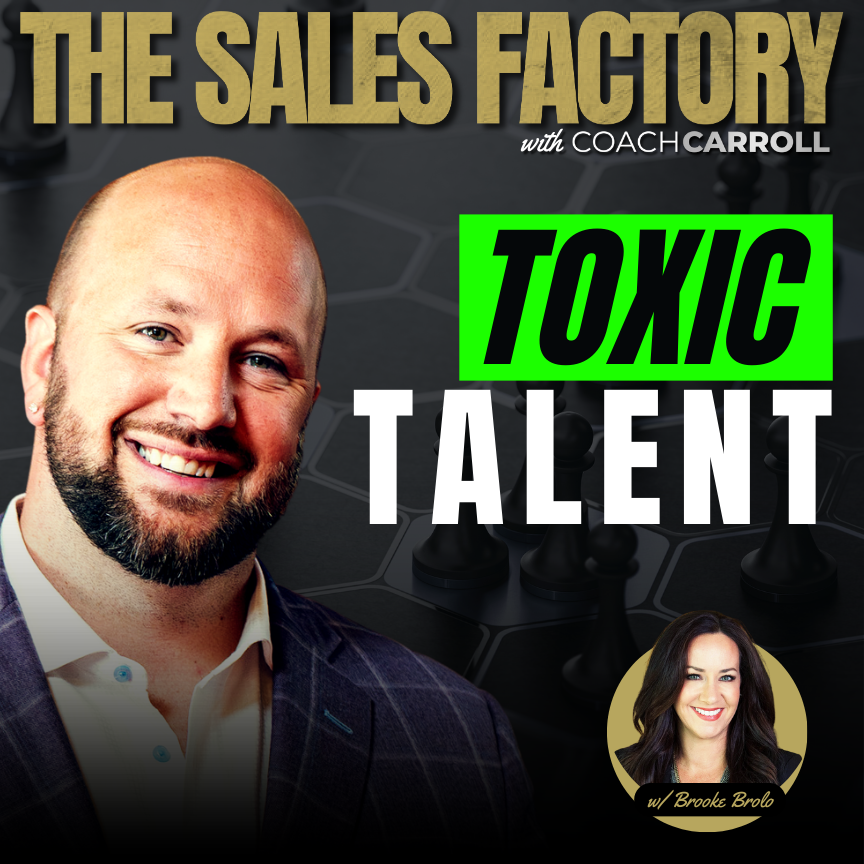
On paper, a top producer looks untouchable. The numbers are big, the leaderboard is stacked with their name, and every KPI seems to scream, “You can’t afford to lose this person.” But what happens when that same high performer is also the biggest culture problem in your business? That was the reality for agency owner Brooke Brolo. Her top producer wrote big numbers, but he was a hothead, claimed every lead as “his,” stirred up drama with other team members, and made the rest of the office tense and miserable. When Brooke finally sat him down and terminated him, his reaction said it all: “I am your highest producer.” He genuinely couldn’t understand why he was being let go—because he believed production alone should protect him.
What he didn’t see was the hidden cost of his behavior. He was eroding trust, crushing morale, and sending a message that as long as you sell enough, you can act however you want. Brooke knew better. She understood that you can’t teach someone to be a good person. You can train skills, you can coach sales technique, you can tighten processes—but you cannot install character. Keeping him would’ve told the rest of the team that culture, respect, and collaboration were negotiable. So she made the hard call most leaders avoid: she protected the culture instead of protecting the producer.
The Month After He Left Changed Everything
Here’s the part that shocks most agency owners: after Brooke fired her top producer, production did not crash. It went up. The very next month, her team wrote more business—without the guy she had once believed was “irreplaceable.” The reason wasn’t magic. It was relief. Everyone else on the team finally felt like they had room to step up. They were no longer overshadowed, steamrolled, or fighting over credit. Instead of being intimidated by one big ego, they were inspired to fill the gap together.
Brooke realized that her “top” producer had actually been acting like a lid on the agency. Once that lid was removed, potential that was already in the building finally had room to breathe. Other team members pushed harder, took more ownership, and proved they could perform when given a chance. Her decision also reinforced a powerful message: No one is above the culture. If you’re toxic, territorial, or tearing others down, it doesn’t matter how many policies you write—you don’t belong on the team. That kind of clarity doesn’t just clean up problems; it attracts the right people and keeps your best employees loyal.
Hire for Attitude, Empower for Growth
Brooke’s story doesn’t stop with one tough termination. It’s part of a bigger philosophy she’s lived out over 17 years in business: hire for attitude and effort, then put people in the right seat. She openly admits she’s hired the wrong people before—and she’s also hired the right people into the wrong roles. One of her favorite examples is a team member she originally hired for sales. He showed up, hustled, and had a great heart… but he just couldn’t close. Prospects liked him, but they walked away saying, “We’ll think about it.” By traditional metrics, he was a sales failure.
Instead of cutting him loose, Brooke looked deeper and realized he was phenomenal at service. He cared about clients, followed through, and created amazing experiences. So she moved him to a service role. Three years later, he was crushing it and had become one of the most valuable parts of her agency. That’s the power of leading with character, not just quotas. Brooke uses a simple rule: if someone can do a task 70% as well as she can, she delegates it and lets them grow into the other 30%. She empowers people, gives them grace while they’re learning, and expects them to fall down and get back up. When you build a team around good humans with strong effort—and you’re willing to cut even your “top producer” when they poison the culture—you don’t just protect your agency. You position it to grow faster, healthier, and stronger than you ever could alone.